
Supreme Court Reaffirms Right of Appeal as a Substantive Right: Key Clarifications on Oral Gifts Under Islamic Law
6/27/2025 | by Muhammad Umar Hashmi
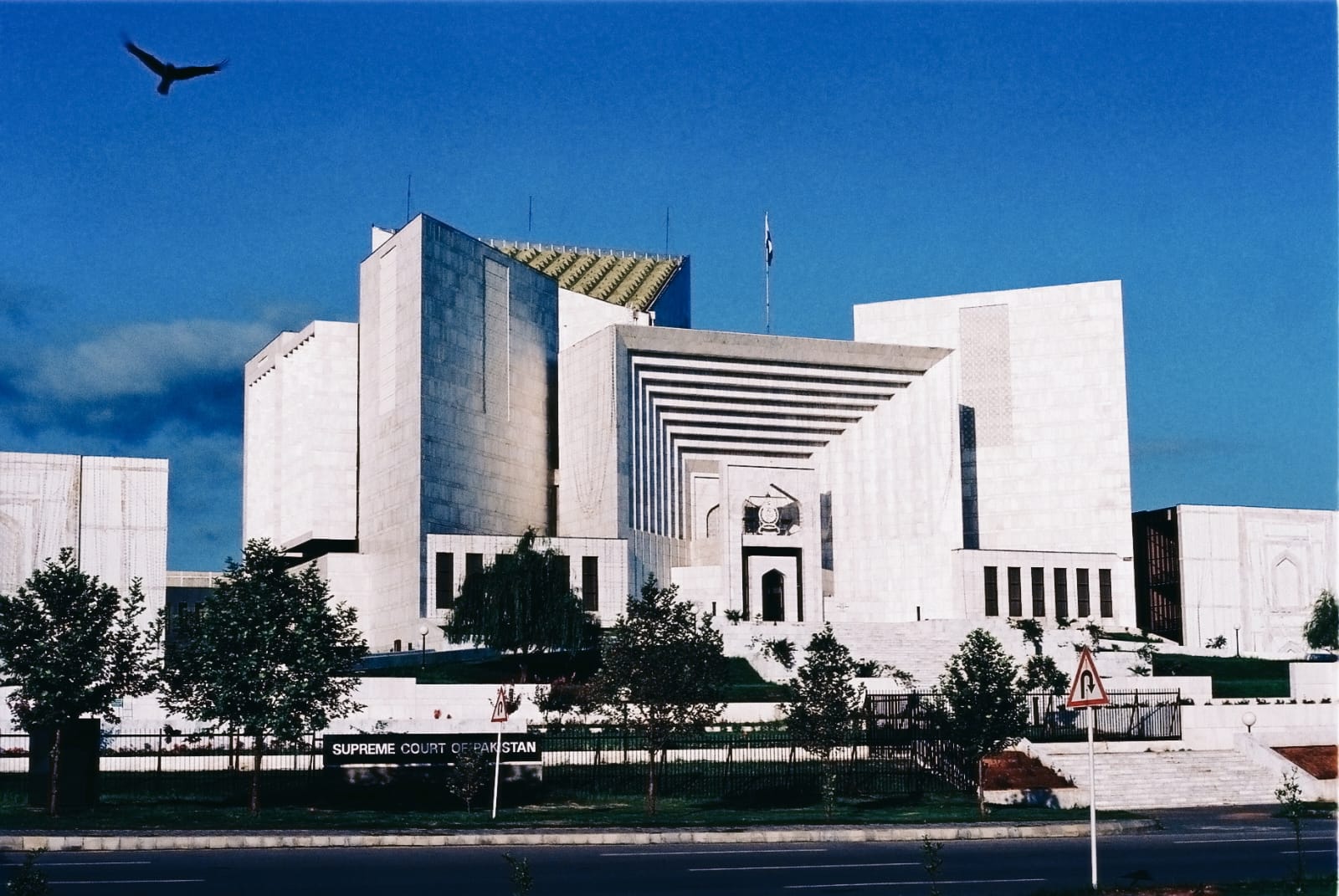
In a significant judgment delivered in C.P.L.A. 479-K/2023 (Muhammad Dawood v. Mst. Sakeena Farooque @ Aziza & others), Mr. Justice Muhammad Ali Mazhar of the Supreme Court of Pakistan has issued an important ruling affirming the right of appeal as a vested, substantive right and clarifying principles regarding oral gifts under Islamic law, especially in light of the Transfer of Property Act, 1882 and the Registration Act, 1908.
Right of Appeal: Not Just Procedure, But a Fundamental Legal Remedy
The court emphatically stated that the right of appeal is a substantive legal right, and not a mere procedural formality. It held that this right must be conferred through statute (the Act) rather than subordinate legislation (Rules). Reinforcing this well-settled legal principle, the judgment noted:
“A right of appeal is the right of entering into a superior court and invoking its aid and interposition to redress the error of the forum below. It is essentially a continuation of the original proceedings…”
Justice Mazhar clarified that appellate courts are not only empowered to affirm, but also modify, reverse, or vacate lower court decisions. The grounds for appeal may include misreading or non-reading of evidence, or errors of law or fact — thus reflecting a litigant’s essential safeguard against judicial error.
Substantive vs. Procedural Law: A Critical Distinction
The Court revisited the foundational distinction between substantive law — which governs rights and obligations — and procedural law, which outlines the mechanisms and processes through which these rights are enforced. Drawing on jurisprudential thought, including Salmond, the Court emphasized that substantive law defines the ends of justice, whereas procedural law provides the tools to attain those ends.
Oral Gifts and Muslim Law: Beyond the Registration Act
The judgment also delves into the validity and evidentiary requirements of oral gifts under Islamic law, particularly in light of the Transfer of Property Act, 1882, and the Registration Act, 1908. Section 122 of the former defines a gift as a voluntary, non-consideration-based transfer of property, while Section 123 mandates registered instruments for gifts of immovable property — except where Islamic law provides otherwise under Section 129.
The Court recognized that while oral gifts of immovable property are permissible under Muslim law, they are still subject to strict proof. The key elements for a valid oral gift include:
Tender (offer)
Acceptance by the donee
Delivery of possession
Justice Mazhar stressed that even when registration is not compulsory, parties must establish the factum of gift beyond doubt — especially when the gift is challenged. Registration, though optional under Islamic principles, acts as constructive notice and strengthens the authenticity of the transaction.
Importance of Document Registration
Under Section 17 and Section 49 of the Registration Act, any unregistered instrument that is otherwise required to be registered cannot create, transfer, or extinguish rights in immovable property. The court reaffirmed that registration:
Provides pre-appointed evidence
Acts as a public record
Protects against fraud and forgery
Ensures transparency in ownership
Thus, even when exemptions under Muslim personal law apply, the burden of proof becomes significantly heavier in the absence of a registered deed.
Key Takeaways
Right of appeal is substantive, not procedural, and must be provided in the main Act.
Appeals are a continuation of litigation, not a fresh cause.
Oral gifts under Islamic law are valid but require strict and credible proof.
Registration, while not mandatory for oral gifts, strengthens the validity and reduces future disputes.
This ruling has clarified some grey areas in the intersection between procedural safeguards, Islamic jurisprudence, and property law, and is being widely welcomed in legal and academic circles for its precision and doctrinal clarity.