
Pakistan Electronic Media Regulatory Authority (PEMRA): Overview and Regulatory Framework
5/30/2025 | by Muhammad Umar Hashmi
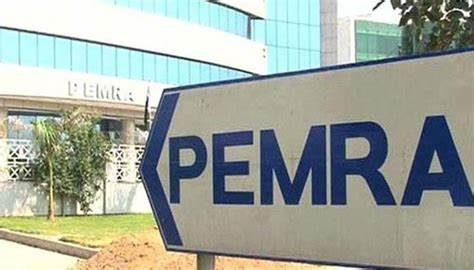
The Pakistan Electronic Media Regulatory Authority (PEMRA) was established under the PEMRA Ordinance to oversee and regulate the country's electronic media landscape. As the primary regulatory body, PEMRA governs all broadcast media, including television and radio stations, as well as distribution services such as cable networks, satellite television, and direct-to-home (DTH) platforms. Its mandate includes enforcing compliance with the PEMRA Laws, which comprise various rules and regulations designed to maintain media standards across Pakistan. PEMRA holds exclusive authority to issue licenses for broadcasting and distribution services, ensuring a structured and organized media sector. The licensing process adheres to principles of fairness, equity, and transparency, with an open bidding system implemented when the number of applications exceeds available licenses, particularly for radio, television, and multichannel multipoint distribution service (MMDS) stations. The scope of broadcast media under PEMRA's regulation encompasses terrestrial and satellite-based radio and television services, teleporting operations, and channel providers. Distribution services include cable television, MMDS, DTH, and similar technologies that facilitate content delivery to audiences. Oversight of the broader telecommunications sector falls under the purview of the Ministry of Information, Broadcasting, National History and Literary Heritage, which works in conjunction with PEMRA to maintain regulatory coherence.
Licensing Categories
PEMRA issues licenses across several categories to accommodate diverse media operations. These include international and national-scale stations that broadcast across the entire country, as well as provincial-scale broadcasts limited to specific regions. Local or community-based radio and television stations cater to smaller, regional audiences, while specialized subject broadcasts focus on niche areas such as education, health, and religion. Distribution services, including cable television and DTH platforms, also require PEMRA licensing, as do uplinking facilities such as teleporting and digital satellite news gathering operations.
Ownership Restrictions
Foreign ownership in Pakistan's media sector faces stringent restrictions to preserve national interests. PEMRA prohibits licenses from being granted to non-Pakistani citizens, foreign-registered companies, or entities where foreign nationals hold majority shares or exercise control. Additionally, organizations funded or sponsored by foreign governments are ineligible for media licenses. While these rules strictly limit foreign influence, Pakistan currently lacks specific regulations governing cross-ownership across different media platforms such as television, radio, and newspapers.
Licensing Requirements
Media operators licensed by PEMRA must adhere to several key obligations. They are required to uphold national security, sovereignty, and Islamic values in their content. Licensees must avoid programming that promotes violence, extremism, obscenity, or sectarian discord, and all content must comply with PEMRA's established codes of conduct for programs and advertisements. Prior to importing broadcasting equipment, operators must obtain a No-Objection Certificate (NOC) from PEMRA. Furthermore, licenses cannot be transferred or sold without explicit approval from the regulatory authority. The application process for obtaining a PEMRA license involves submitting a non-refundable fee as specified in the PEMRA Rules of 2009. Applications are evaluated based on financial viability, technical feasibility, and the applicant's ability to demonstrate majority Pakistani ownership. Additional consideration is given to the potential contribution to public service objectives and social development. PEMRA commits to processing applications within 100 days, subject to necessary clearances from the Interior Ministry and the Frequency Allocation Board (FAB). Licenses are typically valid for periods of 5, 10, or 15 years, with provisions for renewal. Applicants must also provide a security deposit, which becomes refundable after one year of compliant operation as per PEMRA's regulations.
Content Regulations
PEMRA maintains strict controls over foreign content aired in Pakistan. International channels must obtain formal landing rights from PEMRA before being distributed in the country. Notably, the regulator enforces a complete ban on Indian content, while other international productions require prior approval. Domestic broadcasters must include national channels such as PTV in their offerings and provide a basic service package featuring free-to-air educational, religious, and news content.
Advertising Standards
Advertising content falls under the dual regulation of PEMRA Laws and the Motion Pictures Ordinance of 1979. Prohibited advertisements include those containing violent, seditious, or politically/religiously controversial material. The regulator also bans content promoting alcohol, obscenity, or messages contrary to Islamic values, as well as misleading claims and advertisements specifically targeting children. Technical restrictions limit advertising breaks to a maximum of three minutes, with mandatory 15-minute intervals between breaks.
Must-Carry Obligations
Distribution service providers such as cable and DTH operators must carry specific channels as part of their mandatory offerings. These include national broadcasters like PTV and PEMRA-licensed educational and health channels. Operators must also provide a basic service package at government-determined subscription rates, ensuring accessibility to essential programming.
Digital Transition
PEMRA initiated Pakistan's transition from analog to digital cable television with an original deadline of 2016. However, this process has faced multiple delays due to ongoing legal challenges. The Frequency Allocation Board (FAB) manages the redistribution of spectrum frequencies in accordance with International Telecommunication Union (ITU) regulations as part of this digital migration.
New Media Regulation
Recognizing the growing influence of digital platforms, PEMRA issued a consultation paper in 2020 proposing regulations for web TV and over-the-top (OTT) services. Web TV refers to live or recorded internet-based broadcasts comparable to traditional linear television, while OTT services encompass on-demand streaming platforms similar to Netflix. Under the proposed framework, such services would need to comply with PEMRA's content codes, though user-generated content would remain exempt from these requirements.
Coclusion
Pakistan currently lacks a formal mechanism to assess or regulate media plurality, though independent organizations like the Freedom Network monitor media ownership patterns. Looking ahead, PEMRA is expected to maintain its strict content controls, particularly regarding Indian and unapproved international material deemed contrary to national security or Islamic values. The regulator also aims to establish parity between traditional broadcasters and emerging digital platforms through comprehensive OTT regulations, ensuring a balanced media ecosystem in Pakistan's evolving digital landscape.